
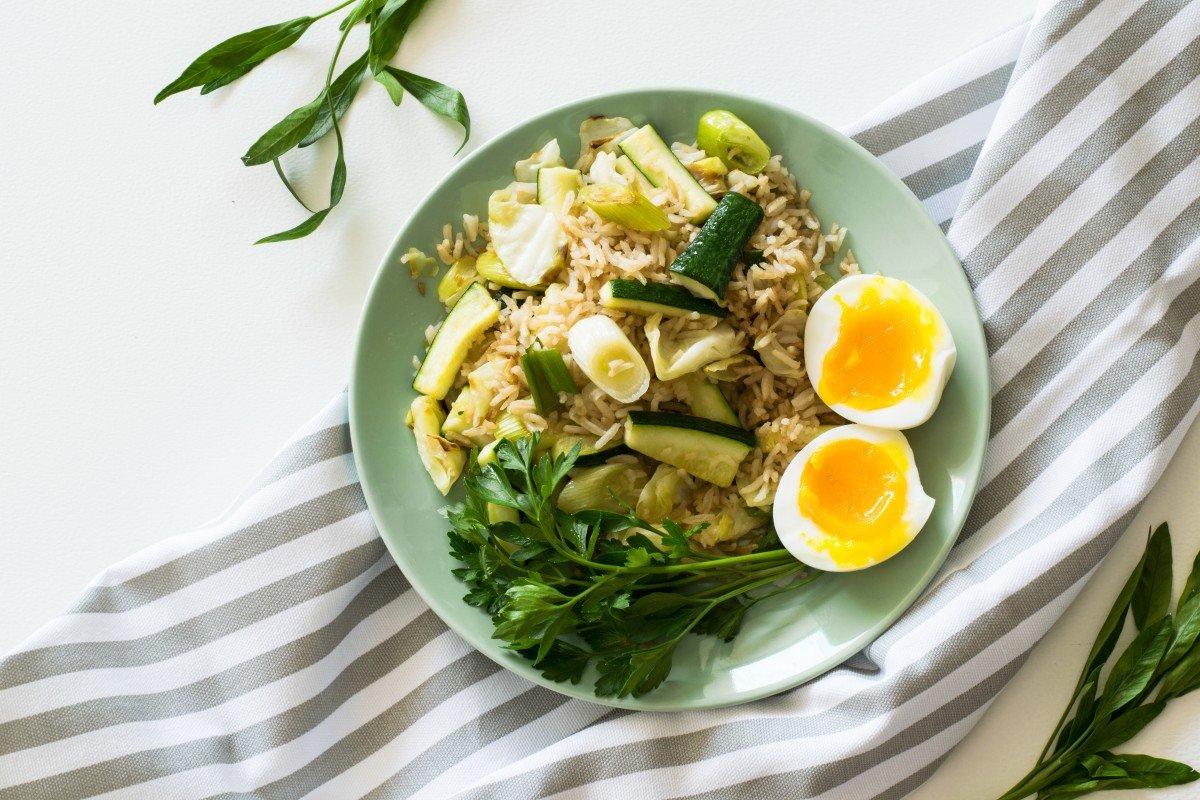
The Best Low-Carb Foods for a Balanced Diet
Introduction
A low-carb diet has become one of the most popular eating approaches for people looking to lose weight, improve blood sugar control, and maintain steady energy throughout the day. Contrary to common misconceptions, a low-carb lifestyle doesn’t mean eliminating carbohydrates completely. Instead, it focuses on reducing refined carbs and sugary foods while emphasizing nutrient-dense whole foods that support overall health.
The best low-carb foods are rich in protein, healthy fats, fiber, vitamins, and minerals. These foods help you stay full for longer, reduce cravings, and provide your body with the nutrients it needs to function at its best. Whether you’re following a ketogenic diet, a moderate low-carb plan, or simply trying to make healthier food choices, selecting the right ingredients is the key to success.
This guide explores the best low-carb foods, their nutritional benefits, meal ideas, and practical tips for maintaining a balanced and enjoyable low-carb diet.
What Is a Low-Carb Diet?
A low-carb diet limits foods that are high in carbohydrates, particularly refined grains, sugary snacks, sweetened beverages, and processed foods. Instead, it prioritizes protein-rich foods, healthy fats, and vegetables that contain fewer carbohydrates.
While the exact amount of carbohydrates varies depending on individual goals, many people aim for anywhere between 20 and 130 grams of carbs per day. A balanced low-carb diet should still include a variety of nutrient-rich foods to ensure your body receives essential vitamins, minerals, and fiber.
Benefits of Eating Low-Carb Foods
Choosing wholesome low-carb foods offers several health benefits, including:
- Supports healthy weight management
- Helps stabilize blood sugar levels
- Reduces sugar cravings
- Promotes longer-lasting fullness
- Improves energy throughout the day
- Encourages healthier eating habits
- Supports heart health when healthy fats are included
- May improve triglyceride and HDL cholesterol levels
- Helps maintain muscle mass when paired with adequate protein
These benefits make a low-carb diet appealing for many people seeking a sustainable way to improve their overall health.
Best Low-Carb Protein Sources
Protein is an essential part of every balanced diet and plays a major role in muscle maintenance, tissue repair, and satiety.
Eggs
Eggs are one of the most nutritious low-carb foods available. They are packed with high-quality protein, healthy fats, and essential nutrients such as vitamin B12, choline, and selenium.
Popular ways to enjoy eggs include:
- Scrambled eggs
- Boiled eggs
- Omelets with vegetables
- Egg muffins
- Poached eggs
Chicken
Skinless chicken breast is naturally low in carbohydrates and high in lean protein. Chicken thighs also provide excellent nutrition with slightly more healthy fats.
Healthy preparation methods include:
- Grilled
- Baked
- Roasted
- Air-fried
- Stir-fried with vegetables
Turkey
Turkey is another excellent lean protein source that contains very few carbohydrates while providing plenty of vitamins and minerals.
Ground turkey works well for:
- Lettuce wraps
- Burgers
- Meatballs
- Chili
- Salads
Fish and Seafood
Fatty fish are among the healthiest foods you can eat.
Excellent choices include:
- Salmon
- Tuna
- Sardines
- Mackerel
- Cod
- Shrimp
These foods provide omega-3 fatty acids that support heart and brain health.
Best Low-Carb Vegetables
Vegetables should form the foundation of every healthy low-carb meal.
Spinach
Spinach contains very few carbohydrates while providing iron, magnesium, potassium, and vitamins A, C, and K.
Use spinach in:
- Smoothies
- Salads
- Omelets
- Soups
- Stir-fries
Broccoli
Broccoli is rich in fiber, antioxidants, and vitamin C while remaining low in carbohydrates.
Enjoy broccoli:
- Steamed
- Roasted
- Stir-fried
- Grilled
- Added to casseroles
Cauliflower
Cauliflower has become a favorite low-carb substitute for many high-carb foods.
Popular options include:
- Cauliflower rice
- Mashed cauliflower
- Cauliflower pizza crust
- Cauliflower soup
- Roasted cauliflower
Zucchini
Zucchini is versatile and naturally low in carbohydrates.
It can be used as:
- Zucchini noodles
- Grilled side dish
- Stir-fry ingredient
- Soup addition
- Stuffed vegetable
Bell Peppers
Bell peppers provide vitamin C, antioxidants, and vibrant color while containing relatively few carbohydrates.
Healthy Low-Carb Fruits
Although fruits naturally contain carbohydrates, some are lower in sugar than others.
Excellent options include:
Berries
- Strawberries
- Blueberries
- Blackberries
- Raspberries
Berries are rich in antioxidants, fiber, and vitamins.
Avocados
Avocados are technically fruits and contain healthy monounsaturated fats, fiber, potassium, and very few net carbohydrates.
Healthy Low-Carb Fats
Healthy fats provide energy and help keep you satisfied.
Olive Oil
Extra virgin olive oil is ideal for:
- Salad dressings
- Roasted vegetables
- Grilling
- Marinades
Nuts
Moderate portions of nuts provide healthy fats and protein.
Best choices include:
- Almonds
- Walnuts
- Pecans
- Macadamia nuts
Seeds
Nutritious seeds include:
- Chia seeds
- Flaxseeds
- Pumpkin seeds
- Sunflower seeds
These foods are excellent sources of fiber and healthy fats.
Dairy Options for Low-Carb Diets
Many dairy products fit well into a balanced low-carb lifestyle.
Examples include:
- Greek yogurt (plain)
- Cottage cheese
- Cheddar cheese
- Mozzarella
- Parmesan
- Cream cheese
Choose products without added sugar whenever possible.
Foods to Limit
A balanced low-carb diet usually limits foods high in refined carbohydrates and added sugars.
Examples include:
- White bread
- Pasta
- White rice
- Sugary cereals
- Soft drinks
- Candy
- Cakes
- Cookies
- Pastries
- Sweetened coffee drinks
Reducing these foods can improve overall diet quality and support long-term health goals.
Sample Low-Carb Meal Plan
Breakfast
- Vegetable omelet
- Avocado slices
- Black coffee or unsweetened tea
Morning Snack
- Handful of almonds
Lunch
- Grilled chicken salad
- Olive oil dressing
- Cucumber
- Tomatoes
- Mixed greens
Afternoon Snack
- Plain Greek yogurt with fresh berries
Dinner
- Baked salmon
- Roasted broccoli
- Cauliflower rice
Evening Snack
- Cheese cubes or celery with natural peanut butter
Easy Low-Carb Snack Ideas
Healthy snacks help control hunger between meals.
Great choices include:
- Boiled eggs
- Cheese sticks
- Mixed nuts
- Celery with peanut butter
- Cucumber slices
- Bell pepper strips
- Tuna salad
- Turkey slices
- Olives
- Avocado
Tips for Following a Balanced Low-Carb Diet
Success comes from making sustainable lifestyle changes rather than following overly restrictive rules.
Helpful tips include:
- Plan meals in advance.
- Read nutrition labels carefully.
- Stay hydrated throughout the day.
- Include vegetables at every meal.
- Focus on whole, minimally processed foods.
- Eat enough protein to maintain muscle.
- Choose healthy fats instead of processed oils.
- Avoid sugary drinks.
- Prepare meals at home whenever possible.
- Allow flexibility for special occasions.
These habits make it easier to maintain a balanced eating pattern over the long term.
Common Mistakes to Avoid
Some people unintentionally make mistakes when reducing carbohydrates.
Common pitfalls include:
- Eating too little fiber
- Ignoring vegetable intake
- Consuming excessive processed low-carb products
- Not drinking enough water
- Skipping meals
- Overeating high-calorie foods
- Forgetting portion control
A balanced approach ensures you receive adequate nutrition while enjoying satisfying meals.
Who Can Benefit from a Low-Carb Diet?
Many individuals may benefit from reducing refined carbohydrates, including:
- People working toward weight management goals
- Individuals seeking better blood sugar control
- Those looking to reduce sugar cravings
- Adults wanting more stable energy levels
- People interested in healthier eating habits
However, dietary needs vary from person to person. Individuals with medical conditions, pregnant women, or those taking medications should consult a healthcare professional before making significant dietary changes.
Conclusion
A balanced low-carb diet focuses on nourishing your body with whole, nutrient-rich foods rather than simply eliminating carbohydrates. Lean proteins, healthy fats, colorful vegetables, low-sugar fruits, nuts, seeds, and quality dairy products provide the foundation for a satisfying and sustainable eating plan.
By choosing foods like eggs, salmon, chicken, spinach, broccoli, cauliflower, avocados, berries, olive oil, and nuts, you can enjoy flavorful meals while supporting your health and wellness goals. Combined with regular physical activity, proper hydration, and mindful eating, these low-carb foods can help you build a balanced lifestyle that is both nutritious and enjoyable.
Remember, the healthiest diet is one you can maintain consistently. Focus on variety, moderation, and whole foods, and you’ll be well on your way to achieving lasting health and well-being.