How to Make Healthy Snacks Kids Will Love
Introduction
Getting children to eat healthy snacks can feel like a daily challenge. Many kids naturally gravitate toward sugary treats, salty chips, and processed snacks because of their bold flavors and colorful packaging. However, with a little creativity and the right ingredients, parents can prepare delicious, nutritious snacks that children genuinely enjoy.
Healthy snacks play an important role in a child’s growth and development. They provide energy between meals, support brain function, strengthen the immune system, and help build lifelong healthy eating habits. The key is to make healthy foods fun, flavorful, and visually appealing.
In this guide, you’ll discover simple strategies, kid-friendly recipes, nutrition tips, and creative ideas to make healthy snacks your children will happily ask for again and again.
Why Healthy Snacks Matter for Kids
Children are constantly growing, learning, and staying active. Their bodies need a steady supply of nutrients throughout the day, and healthy snacks help bridge the gap between meals.
Nutritious snacks can:
- Provide lasting energy
- Support healthy brain development
- Improve concentration at school
- Promote strong bones and muscles
- Strengthen the immune system
- Reduce overeating during meals
- Encourage healthy eating habits from an early age
Choosing wholesome snacks also helps limit excess sugar, unhealthy fats, and artificial ingredients commonly found in packaged foods.
What Makes a Healthy Snack?
A balanced snack combines nutrients that keep kids satisfied and energized.
Aim to include:
Protein
Protein helps children grow and keeps them feeling full longer.
Good sources include:
- Greek yogurt
- Cheese cubes
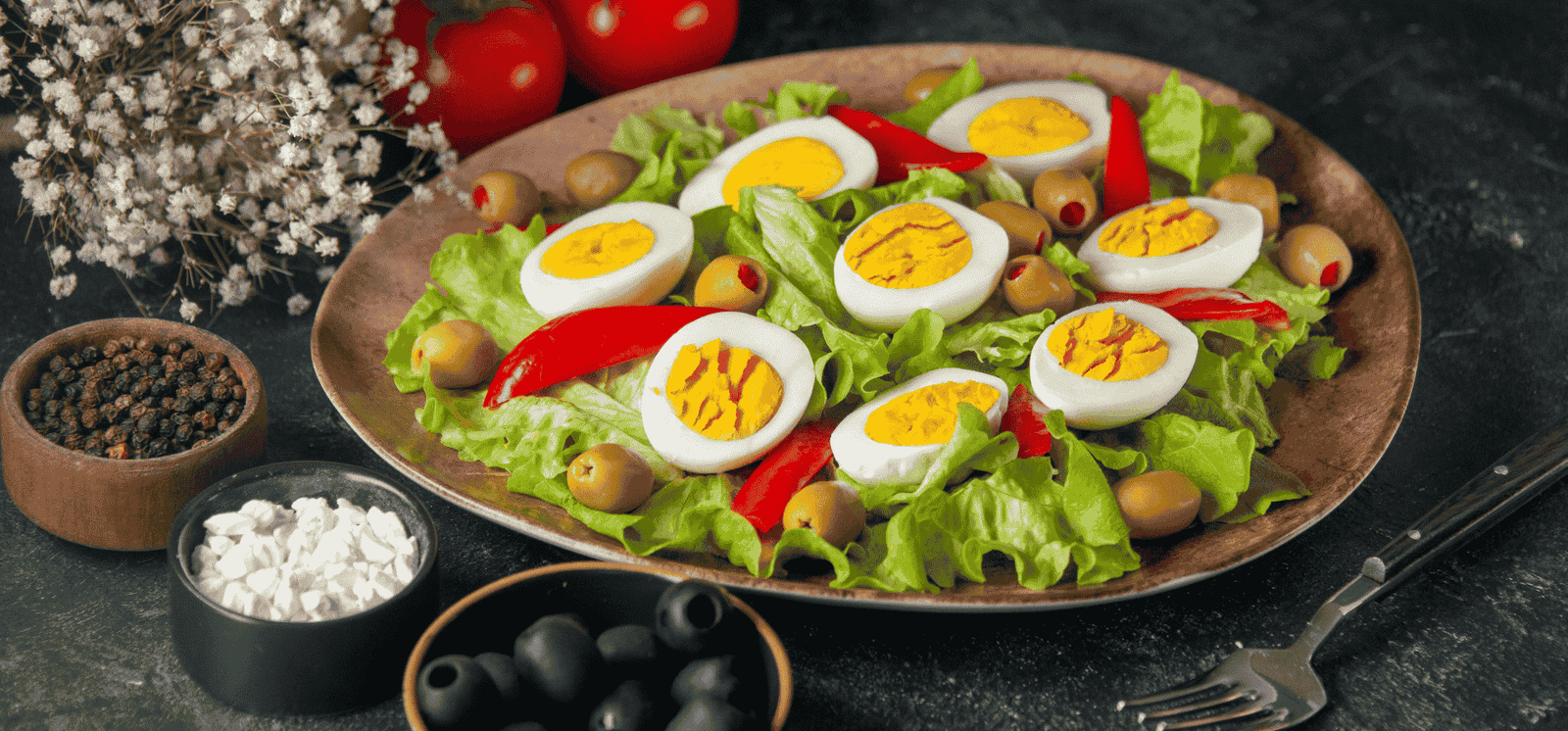
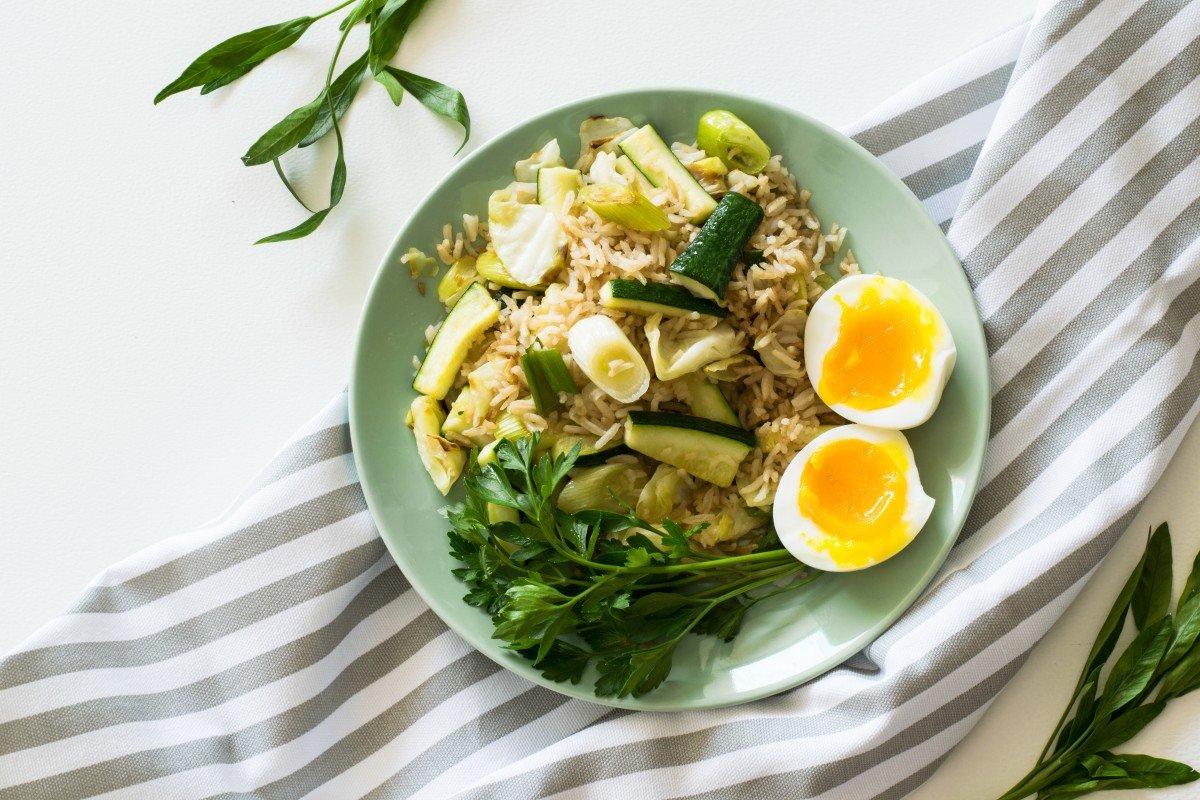
- Hard-boiled eggs
- Cottage cheese
- Peanut butter or other nut butters (if allergies are not a concern)
- Hummus
- Beans
Whole Grains
Whole grains provide fiber and slow-release energy.
Healthy options include:
- Whole wheat crackers
- Oatmeal
- Whole grain toast
- Brown rice cakes
- Popcorn (for older children)
Fruits and Vegetables
Fresh produce supplies vitamins, minerals, antioxidants, and fiber.
Popular choices:
- Apples
- Bananas
- Strawberries
- Blueberries
- Grapes (cut for young children)
- Carrot sticks
- Cucumbers
- Bell peppers
- Cherry tomatoes
Healthy Fats
Healthy fats support brain development.
Include foods like:
- Avocados
- Nuts
- Seeds
- Natural nut butter
- Chia seeds
- Flaxseed
Easy Healthy Snacks Kids Will Love
1. Apple Slices with Peanut Butter
Slice fresh apples and serve with natural peanut butter for dipping. Sprinkle cinnamon on top for extra flavor.
Benefits:
- Fiber
- Protein
- Healthy fats
- Vitamins
2. Yogurt Berry Parfait
Layer Greek yogurt with fresh berries and granola.
Add:
- Honey (for children over one year old)
- Chia seeds
- Sliced bananas
This snack feels like dessert while providing calcium and protein.
3. Rainbow Veggie Cups
Fill small cups with colorful vegetables:
- Carrots
- Cucumbers
- Bell peppers
- Celery
Serve with hummus or yogurt ranch dip.
Kids often enjoy eating foods with bright colors.
4. Banana Oat Cookies
Mash bananas and mix with rolled oats.
Optional additions:
- Raisins
- Cinnamon
- Dark chocolate chips
- Chopped nuts
Bake until lightly golden for a naturally sweet treat.
5. Homemade Trail Mix
Mix together:
- Whole grain cereal
- Pumpkin seeds
- Almonds
- Dried cranberries
- Raisins
- Unsweetened coconut flakes
Avoid large nuts for younger children who may be at risk of choking.
6. Cheese and Whole Grain Crackers
A simple combination that delivers protein, calcium, and carbohydrates for steady energy.
Add grapes or apple slices for extra nutrition.
7. Frozen Yogurt Pops
Blend yogurt with fresh fruit and freeze in molds.
Flavor ideas:
- Strawberry banana
- Mango pineapple
- Blueberry vanilla
- Peach yogurt
These are refreshing during warm weather.
8. Mini Fruit Kabobs
Thread fruit onto child-safe skewers.
Use:
- Grapes
- Strawberries
- Kiwi
- Pineapple
- Melon
Kids love colorful finger foods.
9. Peanut Butter Banana Roll-Ups
Spread peanut butter on a whole wheat tortilla.
Add banana.
Roll tightly and slice into bite-sized pieces.
10. Homemade Popcorn
Air-pop popcorn and season lightly with:
- Cinnamon
- Parmesan cheese
- Garlic powder
- Italian herbs
Avoid excessive butter and salt.
Make Healthy Snacks Fun
Presentation makes a big difference.
Ideas include:
- Cut sandwiches into animal shapes.
- Arrange fruit into rainbow patterns.
- Create smiley faces using vegetables.
- Serve snacks in colorful cups.
- Use cookie cutters for fruit and cheese.
Children often become excited simply because food looks fun.
Involve Kids in Snack Preparation
Children are more likely to eat foods they help prepare.
Let them:
- Wash fruits
- Stir ingredients
- Spread peanut butter
- Arrange vegetables
- Build yogurt parfaits
- Decorate healthy snacks
Cooking together also teaches valuable life skills.
Smart Snack Swaps
Replace processed snacks with healthier alternatives.
Instead of potato chips, choose air-popped popcorn or baked veggie chips.
Instead of candy, offer fresh fruit or frozen grapes.
Replace sugary drinks with water infused with lemon, berries, or cucumber.
Swap ice cream for frozen yogurt topped with fruit.
Choose whole grain crackers instead of refined crackers.
These simple changes can significantly improve a child’s daily nutrition.
Healthy Snacks for School Lunches
Pack snacks that stay fresh and are easy to eat.
Great options include:
- Apple slices
- Cheese sticks
- Whole grain crackers
- Mini muffins made with oats
- Homemade granola bars
- Baby carrots
- Cucumber slices
- Yogurt tubes
- Boiled eggs
- Fresh berries
Use insulated lunch bags when packing dairy products.
Tips for Encouraging Healthy Eating
Introduce new foods gradually instead of forcing them.
Offer the same healthy food multiple times. Children sometimes need several exposures before accepting a new taste.
Avoid using desserts as rewards, as this can make unhealthy foods seem more desirable.
Eat healthy snacks together as a family. Children often imitate adult eating habits.
Keep nutritious options easily accessible by washing and cutting fruits and vegetables in advance.
Foods to Limit
While occasional treats are perfectly fine, try to reduce snacks high in:
- Added sugars
- Artificial colors
- Excess sodium
- Trans fats
- Highly processed ingredients
Read nutrition labels and choose products with simple ingredient lists whenever possible.
Weekly Healthy Snack Plan
Monday
Apple slices with peanut butter.
Tuesday
Greek yogurt with berries.
Wednesday
Veggie sticks and hummus.
Thursday
Cheese cubes with whole grain crackers.
Friday
Fruit smoothie with spinach and banana.
Saturday
Homemade trail mix.
Sunday
Banana oat cookies with milk.
Planning ahead makes healthy snacking easier during busy weeks.
Healthy Snack Storage Tips
Prepare snacks in advance to save time.
Store chopped fruits and vegetables in airtight containers.
Portion nuts, crackers, and dried fruit into reusable snack bags.
Freeze smoothie packs with fruit ready to blend.
Keep healthy snacks at eye level in the refrigerator so children can easily find them.
Meal prep helps reduce the temptation to reach for processed snacks.
Conclusion
Healthy snacks don’t have to be boring or difficult to make. With fresh ingredients, a little creativity, and fun presentation, you can prepare snacks that are both nutritious and exciting for children. From colorful fruit kabobs and yogurt parfaits to homemade oat cookies and veggie cups, there are countless ways to encourage healthy eating without sacrificing flavor.
Remember that building good eating habits takes time and patience. Involving your children in choosing and preparing snacks, offering a variety of wholesome foods, and making snack time enjoyable can help them develop a positive relationship with healthy eating that lasts a lifetime.
By replacing processed foods with nutrient-rich alternatives and keeping healthy options readily available, you’ll support your child’s growth, energy, and overall well-being—one delicious snack at a time.